
OUR RANGE
Pairing the Perfect Cask For Your Spirit
The craft of matching the correct vessel with your product for maturation
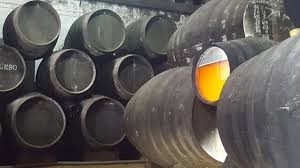
Tasting Note:
Pedro Ximenez
Pedro Ximénez (also known as PX and many other variations) is the name of a white Spanish wine grape variety grown in several Spanish wine regions but most notably in the denominación de origen (DO) of Montilla-Moriles. Here it is used to produce a varietal wine, an intensely sweet, dark, dessert sherry. It is made by drying the grapes under the hot sun, concentrating the sweetness (similar to straw wine production), which are then used to create a thick, black liquid with a strong taste of raisins and molasses that is fortified and
aged in solera.
Intended Barrel Use
– Ultimate in richness, oppulence well made, oak influence is really smart. Huge palate great finishing barrels and gives you that sweetness and finesse. Classic big aged whisky use.
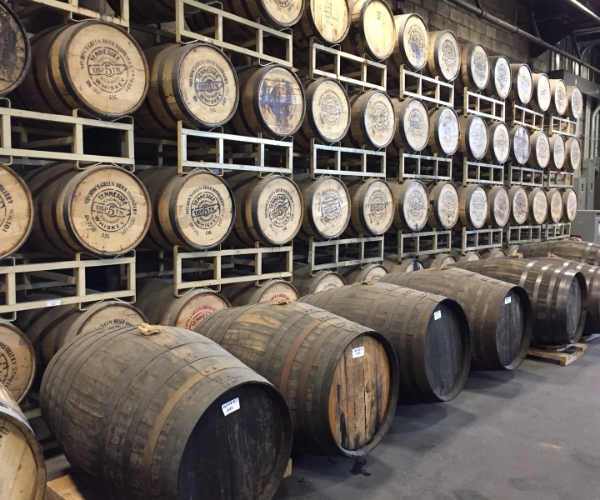
Tasting Note:
Oloroso
Oloroso (“scented” in English) is a variety of fortified wine (sherry) made in Jerez and Montilla-Moriles and produced by oxidative aging. It is normally darker than Amontillado.
Oloroso is usually dark and nutty. Unlike the fino and Amontillado sherries, in oloroso the flor yeast is suppressed by
fortification at an earlier stage. This causes the finished wine to lack the fresh yeasty taste of the fino sherries. Without the layer of flor, the sherry is exposed to air through the slightly
porous walls of the American or Canadian oak casks and undergoes oxidative aging. As the wine ages, it becomes darker and stronger and is often left for many decades.
Intended Barrel Use
– Back to briary nutty, dry and complex. Considered oak management, a deliberate adoption of American oak for balance and drive. Whisky lactones drive the harmony across the palate
and lift aromatics. Seeking a cross section of new makes, floral whisky, even to Rum
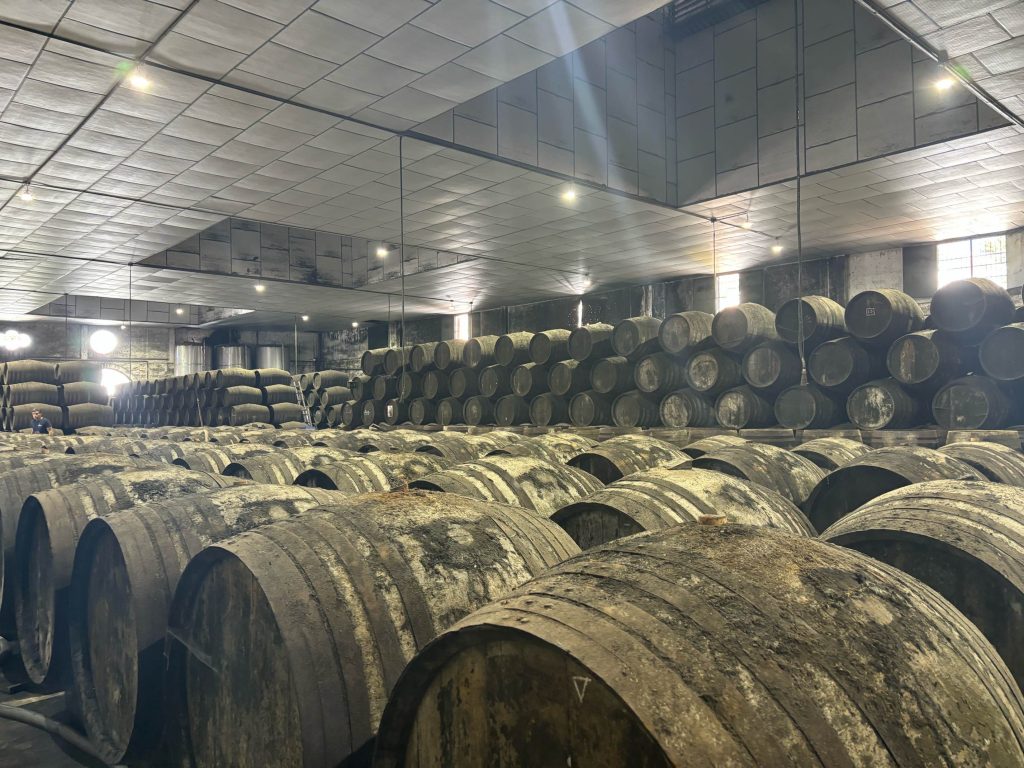
Tasting Note:
Palo Cortado
Palo Cortado is a rare variety of sherry that is initially aged under flor to become a fino or amontillado, but inexplicably loses its veil of flor and begins aging oxidatively as an oloroso.
The result is a wine with some of the richness of oloroso and some of the crispness of amontillado. Only about 1–2% of the grapes pressed for sherry naturally develop into palo
cortado.
Intended Barrel Use
– …the unicorn. Such an astonishing palate, quite complex citrus notes, underlying oak char, nutty, dry, we see post chardonnay cask maturation… textural elements Oloroso on steroids. Will harness the elegance of a hearts based liquor, heighten herbaceous notes and create great length.
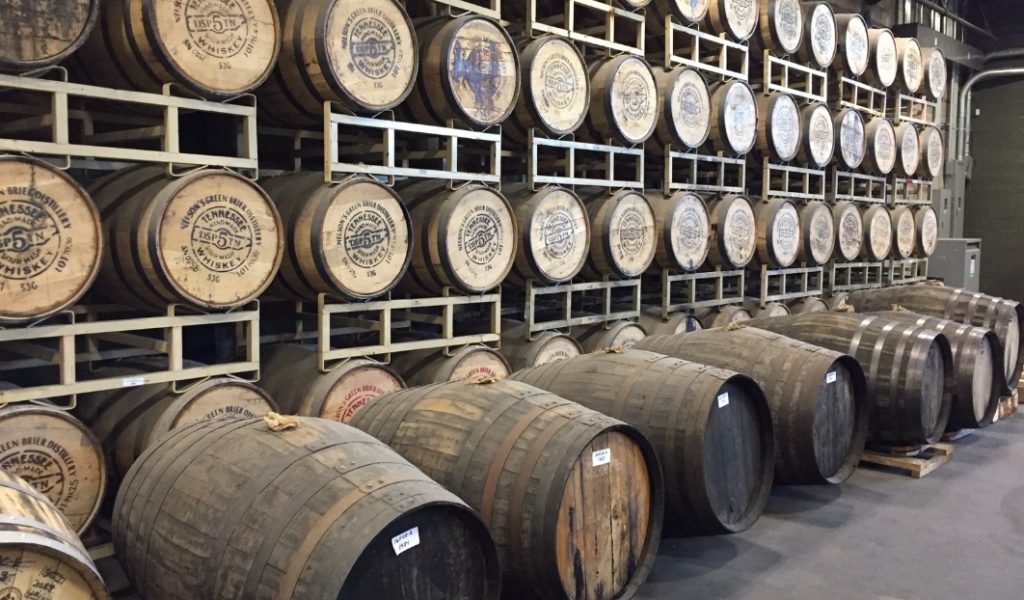
Tasting Note:
Porto Tawny
Tawny ports are wines usually made from red grapes that are aged in wooden barrels exposing them to gradual oxidation and evaporation. As a result of this oxidation, they mellow to a golden-brown colour. The exposure to oxygen imparts “nutty”; flavours to the wine, which is blended to match the house style. They are sweet or medium dry and typically consumed as a dessert wine, but can also pair with a main course
Intended Barrel Use
– Quite dry and elemental, spiced Christmas fruits, underlying neutral oak, 25+ years, another example of great baseline whisky barrel, great value, excellent flavor development potential.
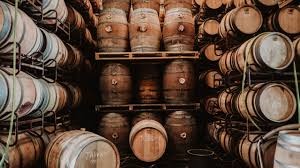
Tasting Note:
Porto Ruby
The most common type, ruby port is stored in tanks of concrete or stainless steel after fermentation, to prevent oxidative aging and preserve its bright red color and full-bodied fruitiness.The wine is usually blended to match the style of the brand to which it is to be sold. The wine is fined and cold filtered before bottling and does not generally improve with age, although premium rubies are aged in wood from four to six years.
Intended Barrel Use
– Bright fresh fruit, really good spiced french oak underpinning the ripe fruits and deft handled liquor. Great topnote flavour and aroma barrel, fruit drive and depth of richness.
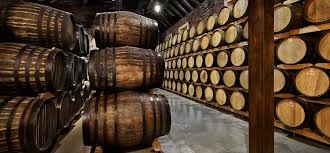
Tasting Note:
Madeira
Madeira is a fortified wine made on the Portuguese Madeira Islands, off the coast of Africa. Madeira is produced in a variety of styles ranging from dry wines which can be consumed on their own, as an apéritif, to sweet wines usually consumed with dessert. Cheaper cooking versions are often flavoured with salt and pepper for use in cooking, but these are not fit for consumption as a beverage.
Intended Barrel Use
– Bright, fruit driven, fresh mustard fruits, clean acidic mid palate, neutral oak elements. Good blending component, baseline, sound sweet baseline underpinning barrel.
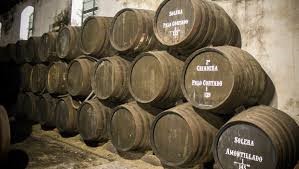
Tasting Note:
Manzanilla
Manzanilla is a fortified wine similar to fino sherry made in the port of Sanlúcar de Barrameda, in the province of Cádiz, Andalusia (Spain), and is produced under the Spanish
Denominación de Origen Protegida (DOP) of Manzanilla-Sanlúcar de Barrameda DOP. In Spanish, chamomile infusion is called “manzanilla” and thus this wine gets the name because the wines aroma is said to be reminiscent of such infusion.
Intended Barrel Use
– Toasted, nuts, herbaceaus, salty, marzipan, underlying cedar oak notes. Bright and fresh.
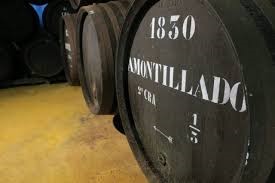
Tasting Note:
Amontillado
Amontillado (Spanish pronunciation: [amontiˈʎaðo]) is a variety of sherry wine characterised by being darker than fino sherry, but lighter than oloroso sherry. Amontillado wine is named after the Montilla municipality, in Andalusia, Spain, where the style of sherry originated in the 18th century; commercially, the name “Amontillado” is used as a measure of colour to label any style of sherry that lay between the categories of fino and oloroso. In American literature, Amontillado sherry features in the title of the short story “The Cask of Amontillado” (1846), by Edgar Allan Poe.
Intended Barrel Use
– Amontillado….think, a Glenkinchie finishing barrel.Quite lifted spices, some volatility, underlying smoky notes and light burnt toffee..finishing in Glenkinchie…again seeking peat, powerful barrel
Tasting Note:
Muscatel/Moscatel
Moscatel is a particularly aromatic grape variety, with floral, citrus and grape aromas. It reaches high sugar levels when matured and is ideal for making fortified wines. Two regions
in Portugal are famous for fortified Moscatel: the Douro and the Setubal Peninsula. On the other side of the Tejo River in the vicinity of the city of Lisbon, you can also find some in
some locations
Intended Barrel Use
– Bright and light, elemental of apricots and light sweetness. A fresh barrel type, which could be more suited to barrel aged white/ lighter spirits.